Buying
What actually matters when buying DJ gear
Feature lists are the least useful buying input. Here is what predicts whether you still use a controller in five years.
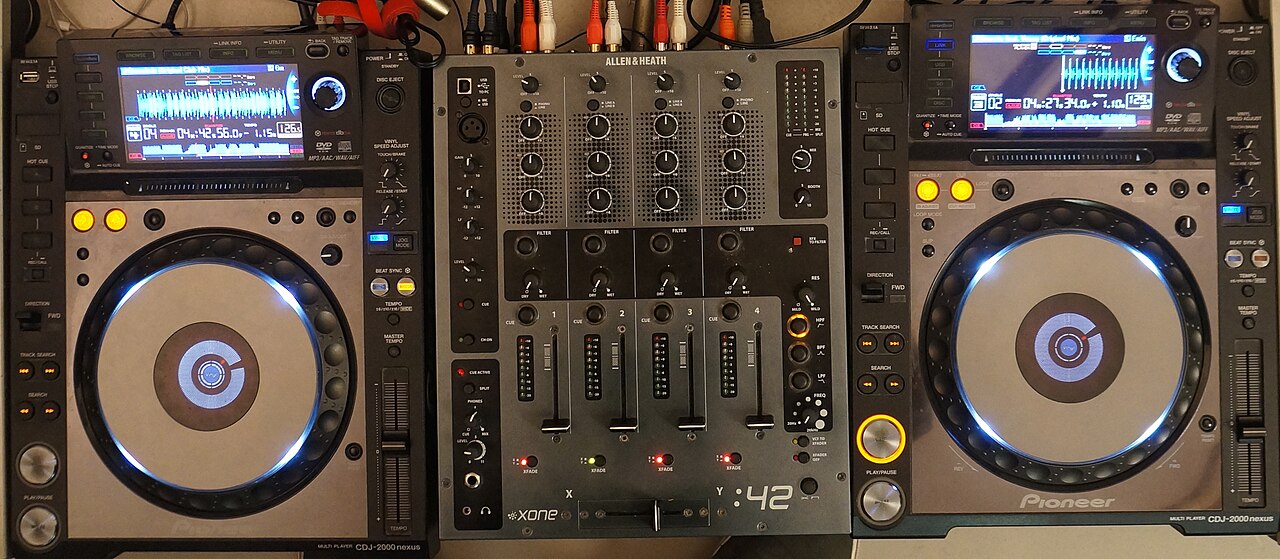

The five things that matter
| Factor | Why it matters | How to check |
|---|---|---|
| Club-standard layout | Muscle memory transfers to the booth you are booked into | Compare against the venue standard in your scene |
| Jog and fader feel | Determines whether you enjoy playing; unmeasurable on paper | Play one in person, for more than a minute |
| Standalone operation | No laptop is one fewer failure point on stage | Check whether it plays from USB without a computer |
| Build and serviceability | Faders and jogs wear; replaceable parts extend life by years | Look for available spare parts |
| Software and driver support | Abandoned drivers end a device on the next OS update | Check the manufacturer's update history, not their promises |
What to ignore
- Effect counts. You will use three of them.
- Pad modes. Most go unused after the first month.
- Bundled software licences. They expire, and they lock you into an ecosystem before you know which you prefer.
- Claimed audio specifications on controllers. The differences between mainstream units are far below what a club system reveals.
How we assess gear
We weight build quality and long-term support heavily, feature counts lightly, and we say when we have not had a unit long enough to judge durability. Where a unit is loaned we say so. Where a link earns a commission it is marked — the full policy is in the disclosure.
We also report booth-relevant monitoring behaviour where we can, because it interacts with the exposure question covered on hearing — which we treat as a specification, not a lifestyle footnote.